During the early 1800s education was still reserved, largely, for the middle and aristocratic classes. It was not until 1833 when legislation was passed to restrict the employment of children in factories, in conjunction with the first instance of government assistance to schools with a grant of £20,000 given by the House of Commons, which began the expanding of educational possibilities.
Prior to this, children would be educated in the home where the families would employ an individual to give their children lessons in a variety of subjects. Richer families may have employed more than one educator for specialist lessons such as music. Primarily the education of these children would be the responsibility of one individual, firstly a nurse maid and then a governess or tutor.
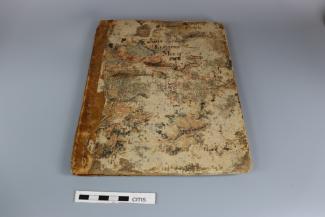
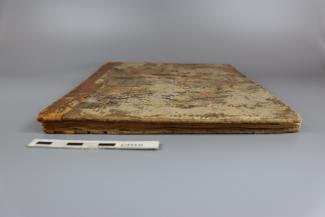
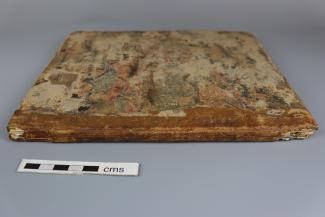
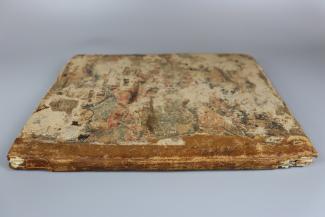
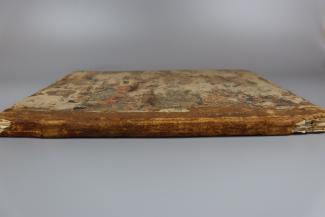
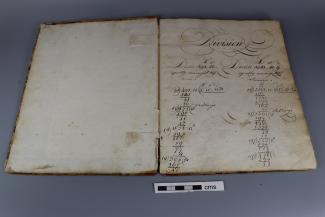
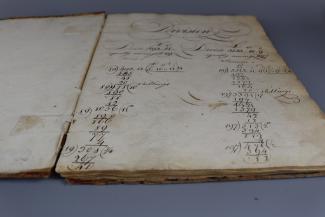
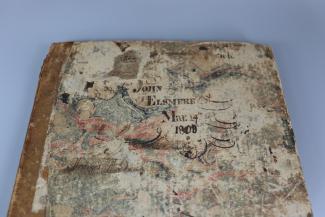
This exercise book is evidence of a young boy being given mathematics lessons in 1808 which, unless he went to Sunday School, would have taken place in his home and delivered by a governess or tutor.
This object was audited and researched as part of the Heritage Fund Data Hunters and Story Gatherers project.