Bathing rose in popularity during the early 1700s, Queen Caroline wife of George II promoted ideas about frequent bathing at a time when many doctors believed too much bathing could allow diseases into the body. By the 1800s indoor plumbing had become available to the richest members of society and over the next decade it became accessible to many more people.
Rich women would have long daily routines which they would be assisted with by their ladies maids and house maids. Women of lower classes would have to fetch water and prepare their baths themselves before the introduction of indoor plumbing.
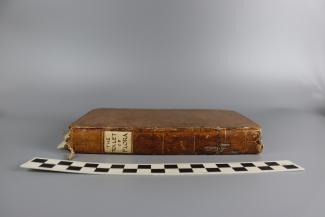
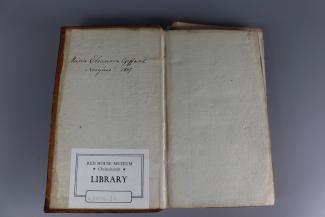
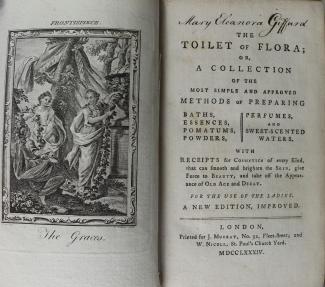
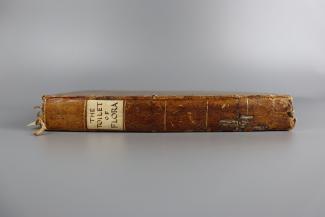
This book was once owned by Maria Eleanora Giffard, signed inside front cover and at the top of the title page. An additional note on inside front cover reads ‘Nerquis 1807’ which possibly refers to Nerquis Hall near Mold in North Wales. It was published in London by J Murray of 32 Fleet Street and W Nicoll of St Paul's Church Yard in 1784.
This object was audited and researched as part of the Heritage Fund Data Hunters and Story Gatherers project.