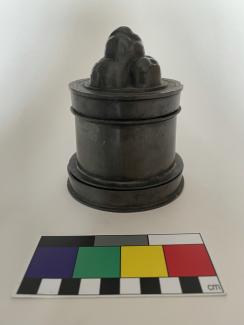
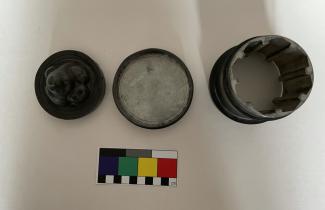
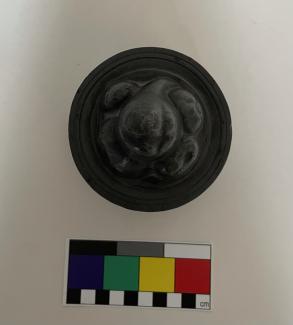
This jelly mould is possibly made of steel or iron and dates from the 17th century.
Jelly shops were as popular as ice cream parlours and coffee houses during the Georgian period. Often frequented by working class people, where the ice cream parlours were more popular with the wealthy, jelly houses often became synonymous with the sex trade. In the 1757 edition of Harris’ List a ‘Miss Robinson’ is referred to by Harris as a ‘jelly shop girl’ implying that women involved in the trade would perhaps use the jelly houses to meet potential clients and frequent them to advertise their availability.
There was a jelly house near Covent Garden, which Jane Austen went shopping in during her visit to London in 1813. A letter to her sister, Cassandra, in September 1813 details her visit including a mention of the shows on at the Covent Garden Theatre and ‘Layton and Shear’s’ the haberdashery which Jane visited.
This jelly mould is from Basingstoke.