You searched for: All
Results: 17469
Filter search results
-
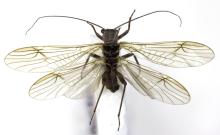
InsectsStoneflyHMCMS: Bi2018.1.1886The stonefly, Nemoura cinerea, by possessing two pairs of wings indicates they are not true flies (Order Diptera); they are placed in the Order Plecoptera, meaning ‘braided wings’, which refers to the ...Visit Page
-
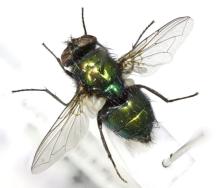
InsectsFlyHMCMS: Bi2017.1.2872The common green bottle fly, Lucilia sericata , has a brilliant, metallic, golden-green iridescent body which, in flight, produces flashes of light through their wings. Although obviously not ...Visit Page
-
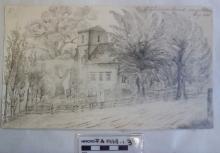
Drawings VictorianPencil DrawingsHMCMS:FA1978.1The remains of a 32-page sketch book of pencil drawings and sketches by Anne Francis, along with the detached marbled paper cover and red leather spine. Anne Francis Bigg-Wither, the 7th child of ...Visit Page
-
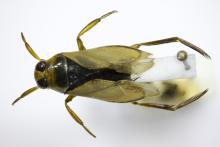
InsectsBugHMCMS: Bi2018.1.1498The water-bug Notonecta glauca may be observed swimming upside down on the surface of ponds using their long, flattened, hair-fringed hind legs as oars – hence their common name of ‘greater water ...Visit Page
-
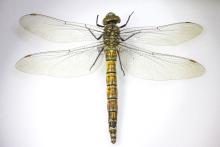
InsectsDragonflyHMCMS: Bi1973.2.4157The Southern Hawker dragonfly, Aeshna cyanea , can be observed during the summer and autumn months flying around lakes, ponds, canals and other bodies of still or slow-moving water, catching their ...Visit Page
-
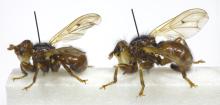
InsectsFlyHMCMS Bi2007.32.191Myopa testacea is a member of fly family Conopidae known as the thick-headed flies. Occurring widely in southern Britain, it may be found wherever there is an abundance of flowering plants and trees ...Visit Page