You searched for: Insect
Results: 107
Filter search results
-
InsectsMothHMCMS:Bi2001.12.220Blair’s Shoulder-knot, Lithophane leautieri , was originally indigenous to the Mediterranean Sea area and has gradually moved north - its larvae feeding on the flower buds and leaf shoots of Cypress ...Visit Page

-
InsectsBeetleHMCMS:Bi2020.2.3911The Bombadier beetle, Brachinus crepitans , which may be seen flying from May to June in coastal areas of Southern Britain, has an amazing response to would-be predators. When disturbed or feeling ...Visit Page

-
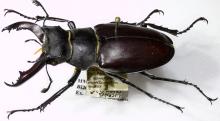
InsectsBeetleHMCMS: Bi2019.2.4031At over 40mm long, the male S tag beetle, Lucanus cervus , is the largest beetle found in the UK, but it is only the males which possess the huge, antler-like mandibles which are used to deter rivals ...Visit Page
-
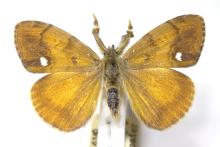
InsectsMothHMCMS:Bi2007.11.6664The male Rusty Tussock or Vapourer moth, Orgyia antiqua , may be observed during the day flying around such shrubby habitats as woodlands, hedgerows, and gardens. The almost wingless female moth ...Visit Page
-
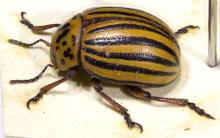
InsectsBeetleHMCMS:Bi1973.2.13193The Colorado potato beetle, Leptinotarsa decemlineata , was once featured on ‘wanted’ posters in police stations and on notice boards to encourage the public to report any sightings to the Ministry of ...Visit Page
-
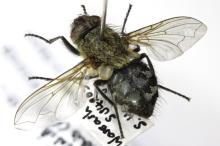
InsectsFlyHMCMS: Bi2010.25.370The Common cluster fly, Pollenia rudis , is recognisable by the mat of golden hairs on its thorax (the section of the body behind the head). These flies are a nuisance – not because they are a health ...Visit Page